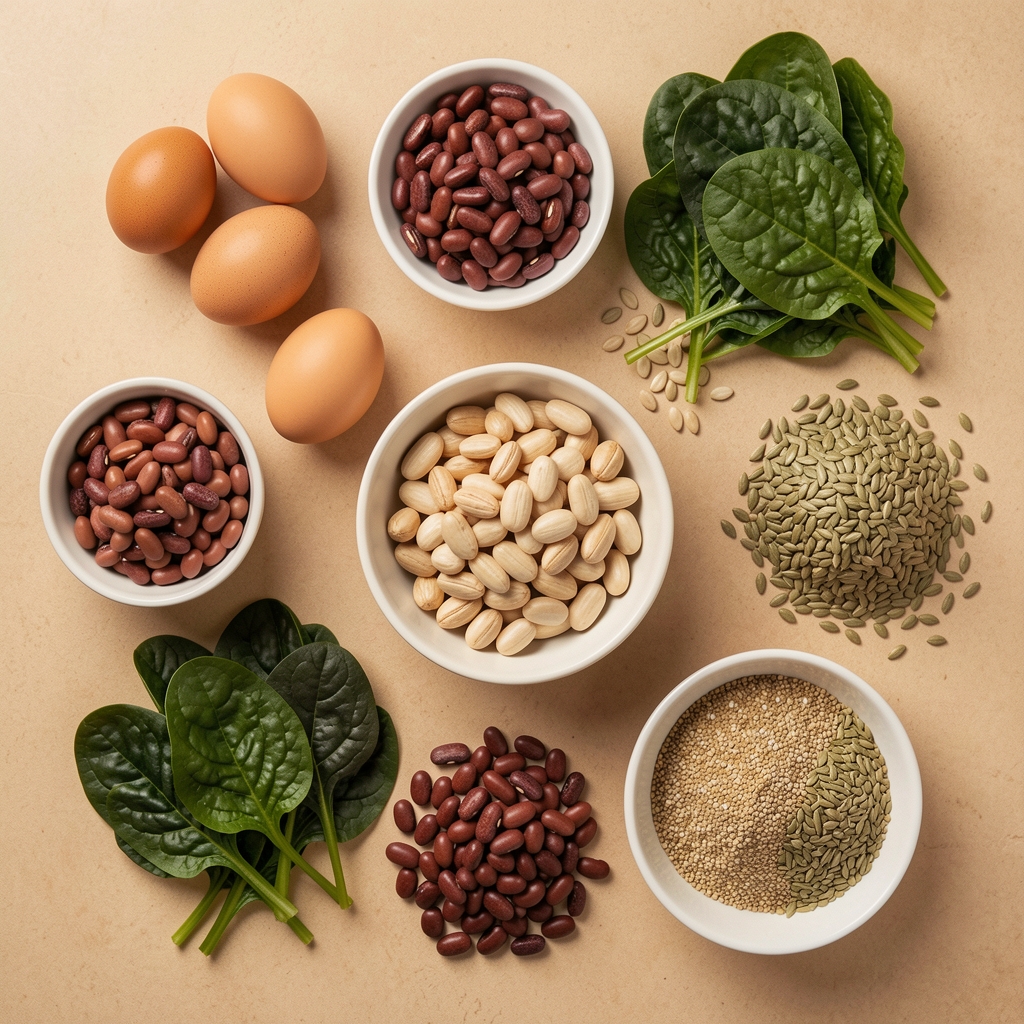
Active Lifestyle
Seven Days of Daily Supplement Observations Among Active Indonesian Men
18 February 2026 · 10 min read
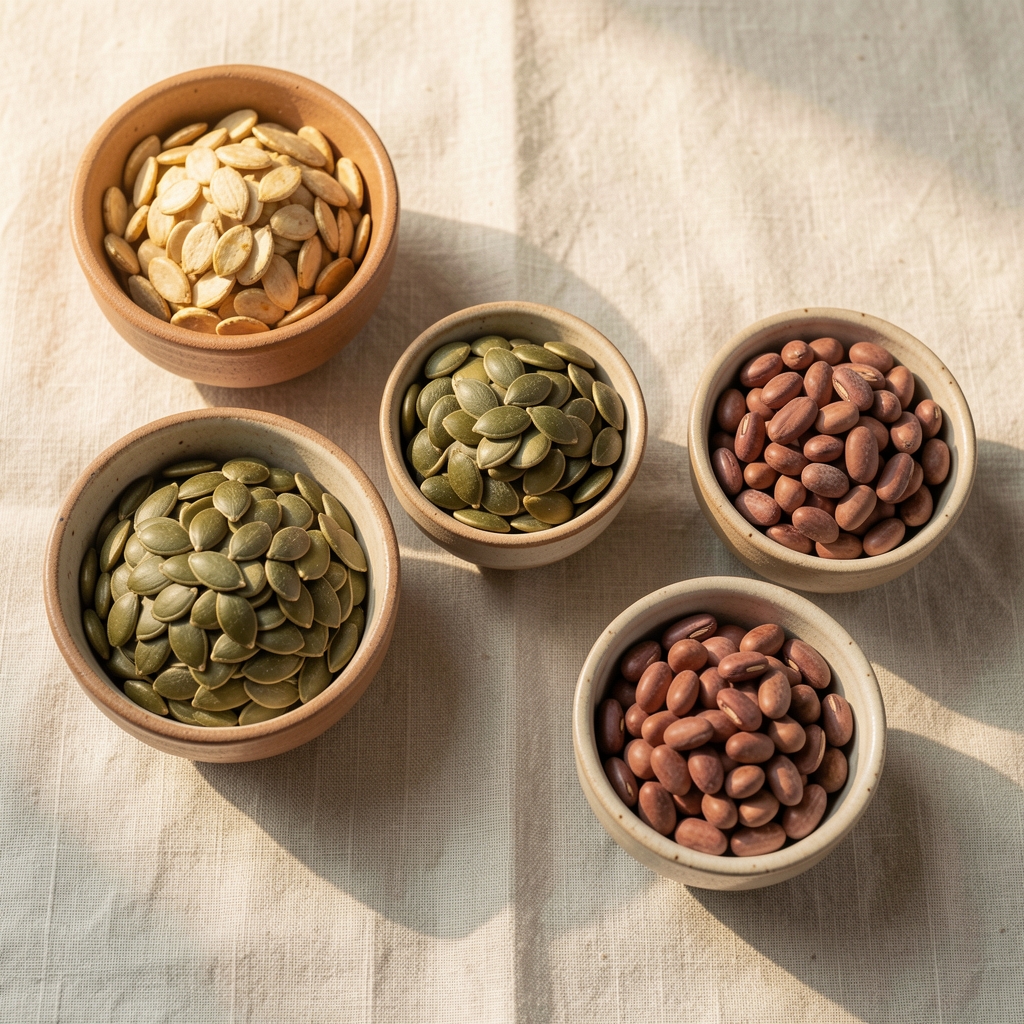
Jakarta, January 2026 — Over the course of seven days in early January, this record was assembled by observing the nutritional habits of five active men based in South and Central Jakarta. The focus: zinc and magnesium — two minerals that appear with notable frequency in the daily supplement routines of those interviewed, and whose food-source equivalents surfaced consistently across meals logged during the observation period. What follows is not a survey or a ranked endorsement. It is a field record in the editorial tradition of this journal.
Among the five subjects observed during the first week of January, all maintained some form of daily supplement practice. Three of the five had zinc as a standalone supplement or within a multivitamin for men. Two sourced their zinc primarily through dietary means — red meat, legumes, pumpkin seeds — noting that whole food intake was sufficient given their activity and dietary variety.
Zinc contributes to daily nutritional balance and is found naturally in meat, seeds, and legumes. In the Jakarta context, where dietary patterns often include both Indonesian whole foods and internationally influenced supplement habits, the mineral appears at an intersection of tradition and modern nutritional awareness. Tempe and tahu — fermented soybean products abundant in the local diet — contain moderate zinc content, and several of those observed cited these foods as part of their routine without necessarily connecting them to mineral intake.
The most consistent observation was not the quantity of zinc present in the routine, but the intentionality. Those who took a zinc supplement tended to do so as part of a considered daily stack — alongside their morning meal, often following physical activity. Those who relied on food sources displayed a different pattern: their zinc intake was embedded in broader nutritional habits, not tracked or measured.
Neither approach appeared more deliberate than the other. Both represent valid orientations to daily mineral awareness.
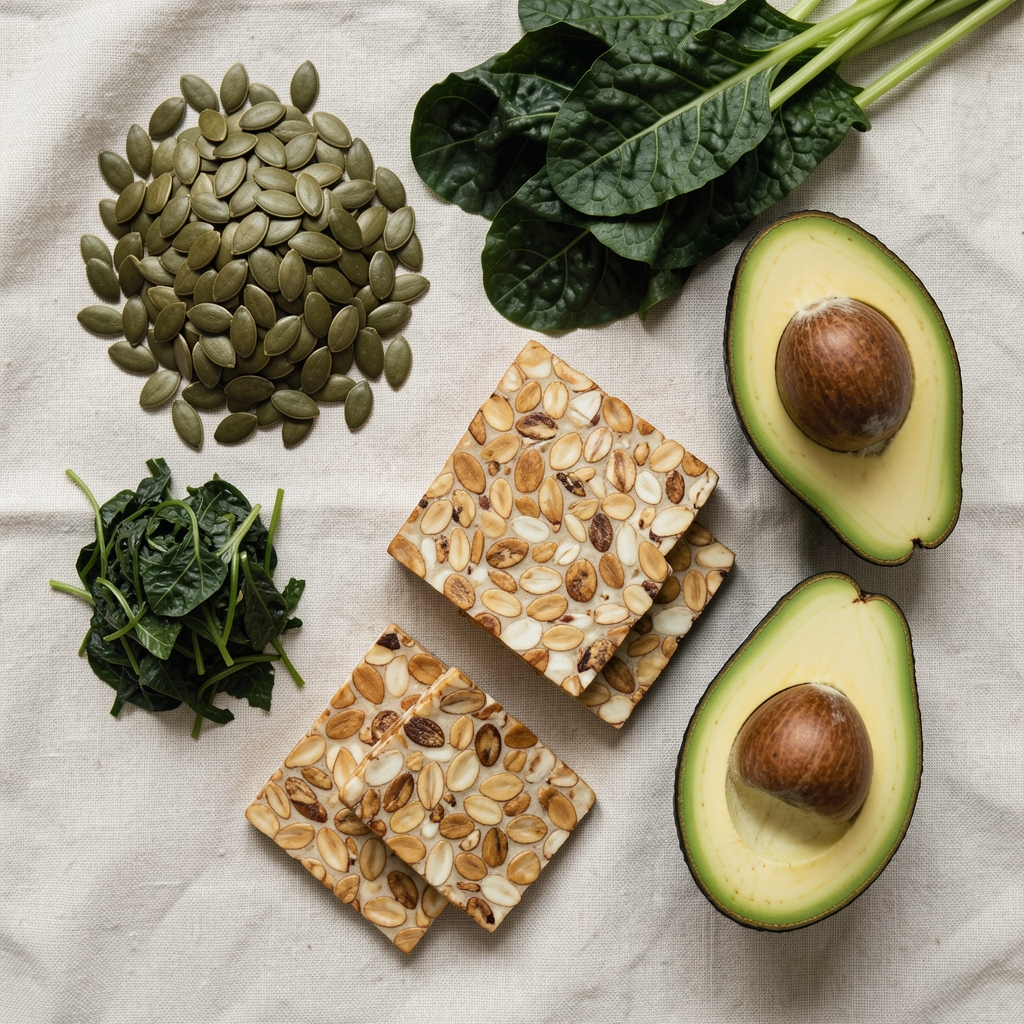
Magnesium presented differently. Where zinc had a clear presence in both supplement form and food discussion, magnesium was more often encountered in supplemental form — and associated, in conversation, with the period following physical exertion. Magnesium is associated with muscle function awareness and daily energy rhythm, and is found in nuts, greens, and grains.
Two of the five observed men included a magnesium supplement in their evening routine — in capsule or powder form, consumed after the day's main physical activity. One subject noted that he had shifted from morning to evening intake over several months, finding the evening timing better suited to his daily pattern without attributing any specific performance rationale beyond personal preference.
The food-side presence of magnesium in observed meals was notable: dark leafy greens appeared in at least one daily meal for three of the five subjects. One favoured a morning smoothie incorporating spinach and banana — both moderate sources of magnesium. Another ate a traditional Indonesian dish of sayur bayam (spinach soup) several times during the week. Neither spoke of these choices as magnesium-specific; they were nutritional habits within a broader active lifestyle orientation.
This gap between deliberate supplementation and incidental food-source intake recurred across both minerals observed during this field week. It is a pattern worth documenting at greater length.
"The decision to supplement with a mineral is often made independently of whether that mineral already appears in the diet — a gap in awareness that the editorial record can begin to address."Field note — Jakarta, January 2026
A recurring theme in the observations of the first week was the parallel existence of supplemental and dietary zinc and magnesium intake — not as redundant pathways, but as complementary orientations that reflected different relationships to nutritional awareness. Some chose supplements because their daily food patterns were variable; others maintained food consistency and saw no gap requiring supplementation.
The men observed who relied most heavily on food sources tended to report a higher degree of nutritional literacy in conversation — not from formal study, but from sustained personal engagement with their diet. They knew, broadly, which foods contributed what. Those who supplemented more heavily expressed a different form of intentionality: the supplement was a known quantity in an otherwise variable day.
There is no editorial judgement in noting this distinction. The journal's function is to document, not to advise on optimal pathways. What this week's observations show is that both approaches are active and thoughtful, and that the Jakarta active-male population engages with daily mineral intake in ways more varied and considered than popular wellness narratives might suggest.
Three of the five observed subjects included a multivitamin for men in their daily routine. In two cases, the multivitamin was the primary vehicle for zinc and magnesium intake — the minerals were present as part of the broader formulation rather than as isolated supplements. The third used a multivitamin alongside a separate magnesium supplement.
When asked how they selected their multivitamin, responses centred on: recognisability of the brand, presence at a local pharmacy or health store, and a general alignment with the product description of "for active men" or "men's daily vitality." None cited published nutritional research as a primary selection factor — though one mentioned consulting an article on a wellness publication before purchasing.
This observation is relevant to the journal's broader editorial purpose. If active men are selecting a daily supplement primarily on brand recognition rather than published nutritional data, there is an informational gap that editorial coverage — of the kind Sarolin Letters practises — can contribute to addressing.
This field record represents one week of structured observation. The patterns documented are not generalisable across the broader population of active Jakarta men — the sample is small, the observation period brief. What they offer is a starting point for longer editorial engagement with daily mineral habits in an urban Indonesian context.
The editorial intention of Sarolin Letters in covering zinc, magnesium, and the wider essential minerals category is to build, across multiple field notes and articles, a layered picture of how supplement choices are made by real active men in real daily contexts. Not laboratory subjects, not promotional copy, not aspirational lifestyle framing — but the actual patterns of a specific population in a specific city.
Jakarta in 2026 is a city with significant nutritional diversity: street food, supermarket aisles, international wellness imports, traditional market produce, and a young, fitness-conscious urban population with growing access to information. The editorial landscape for men's daily nutrition is active here, and this journal intends to document it.
A second field week is scheduled for late February 2026, with an expanded focus on vitamin D and omega-3 sources. Notes will be published in the following issue.
Ryan Hartono is a Jakarta-based wellness editor and the founding contributor of Sarolin Letters. His editorial work focuses on men's nutritional habits and active lifestyle documentation across urban Indonesia.
More from Ryan → Seven Days of Daily Supplement Observations